Our Online Courses

Legato (Connected Bow Stroke)

Legato (Connected Bow Stroke)
What is legato?

Legato is the performance of notes in one continuous bow movement, smoothly and without interruption.
The main goal is to achieve a soft, flowing sound, as if the instrument is “singing.”

How to play it?

The bow moves continuously on the string.

When changing notes, the bow direction does not change.

The right hand and wrist must remain soft and relaxed.

The bow pressure should stay even.

Exercise

G Major scale (G-dur).
Play 2 notes on one bow → then 4 notes → then 8 notes on one bow.

Pay attention

The bow speed should not change suddenly.

The shoulder must stay relaxed.

The sound should not “shake” or break.
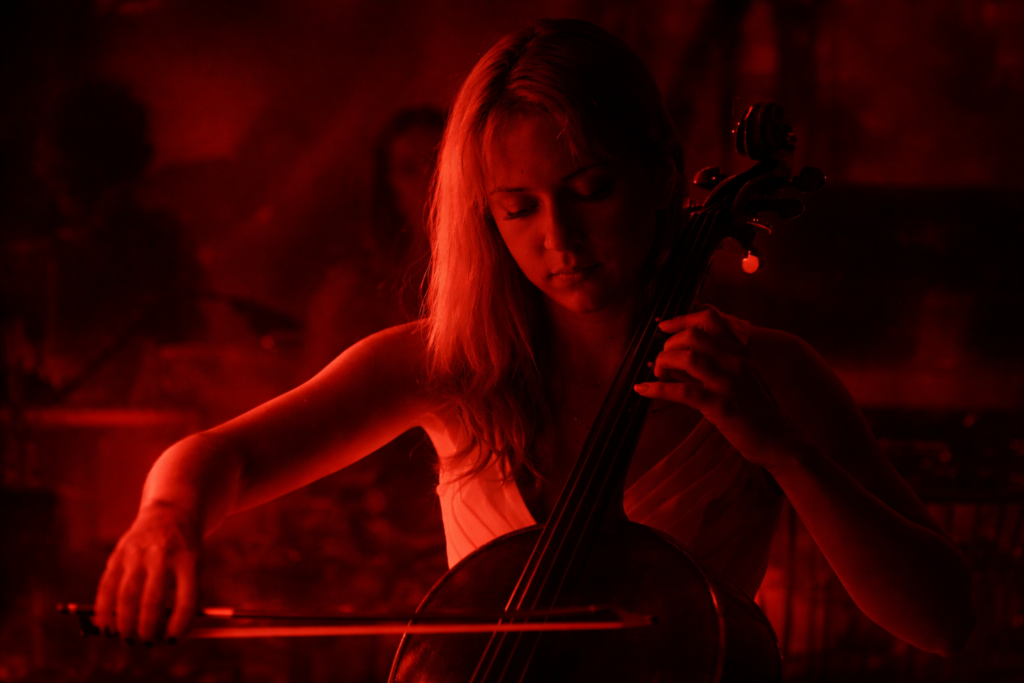
Legato in Musical Examples

Legato is not only a technique, but also a means of expression.

Examples of pieces:

“Romance” — Олег Евлахов

“Lullaby” — Антон Аренский

“Melody” — Николай Бакланов

“Red Sarafan” — Александр Варламов

Our goal

Perform the melody with a “singing” tone.

Gently finish musical phrases.

Use the full length of the bow evenly.

Detaché (Separate Bow Stroke)

What is detaché?

Detaché means playing each note with a separate bow stroke.
However, the sound remains connected and natural, without harshness.

How to play it?

Change bow direction on every note.

The bow does not leave the string.

The movement is controlled by the elbow.

Exercise

In 4/4 time, play even eighth notes.
Start slowly with a metronome.

Examples of pieces:

“Song” — Жан-Батист Люлли

“Song” — Николай Бакланов

Staccato (Short Bow Stroke)

What is staccato?

Staccato consists of short, clear, and energetic notes.

How to play it?

The bow moves in a short section.

There is a slight stop at the end of each note.

The sound should be dry but not rough.

Exercise

Play each note with a controlled, short bow stroke.

Examples of pieces:

“Etude” — Левон Григорян

“Minuet” — Иоганн Себастьян Бах

Marcato (Accented Bow Stroke)

What is marcato?

Marcato means playing with a slightly emphasized accent on each note.

How to play it?

Add a small amount of pressure at the beginning of the note.

Then allow the bow to move freely.

The accent should not be exaggerated.

Examples of pieces:

“Ded Moroz” — Роберт Шуман

“Contredanse” — Людвиг ван Бетховен

What is martelé?

Martelé is a stroke with a clear attack at the beginning of each note.
The bow starts with pressure and then releases sharply.

How to play it?

Place the bow on the string with light pressure.

Make a short, energetic movement.

Feel a slight stop at the end.

Example of a piece:

“Contredanse” — Людвиг ван Бетховен

Sautillé (Bouncing Bow Stroke)

What is detaché?

Detaché means playing each note with a separate bow stroke.
However, the sound remains connected and natural, without harshness.

How to play it?

Change bow direction on every note.

The bow does not leave the string.

The movement is controlled by the elbow.

Exercise

In 4/4 time, play even eighth notes.
Start slowly with a metronome.

Examples of pieces:

“Song” — Жан-Батист Люлли

“Song” — Николай Бакланов

Staccato (Short Bow Stroke)

What is sautillé?

Sautillé is a light, fast stroke based on the natural bounce of the bow.

How to play it?

Work in the middle of the bow.

Keep the hand relaxed.

The bounce should be natural, without tension.

Example of a piece:

“Dance” — Эдвард Дженкинсон

To purchase online courses, please contact: +7 (962) 705 48 66